
Air Quality
Air pollution, which causes asthma and other respiratory problems, is responsible for increased hospitalizations and premature deaths in Michigan every year. In fact, Michigan has one of the highest asthma rates in the country. Coal-fired power plants, where the largest slice of our electricity is generated, are the biggest culprits behind our polluted air.
Cars, waste incinerators, refineries and other industrial sources also emit a range of toxins into our air and cost us billions in excess healthcare costs. The concentration of such industry in Black and Brown communities adds significant economic and health stressors to already vulnerable populations, compounding the impacts even more significantly for those Michiganders.
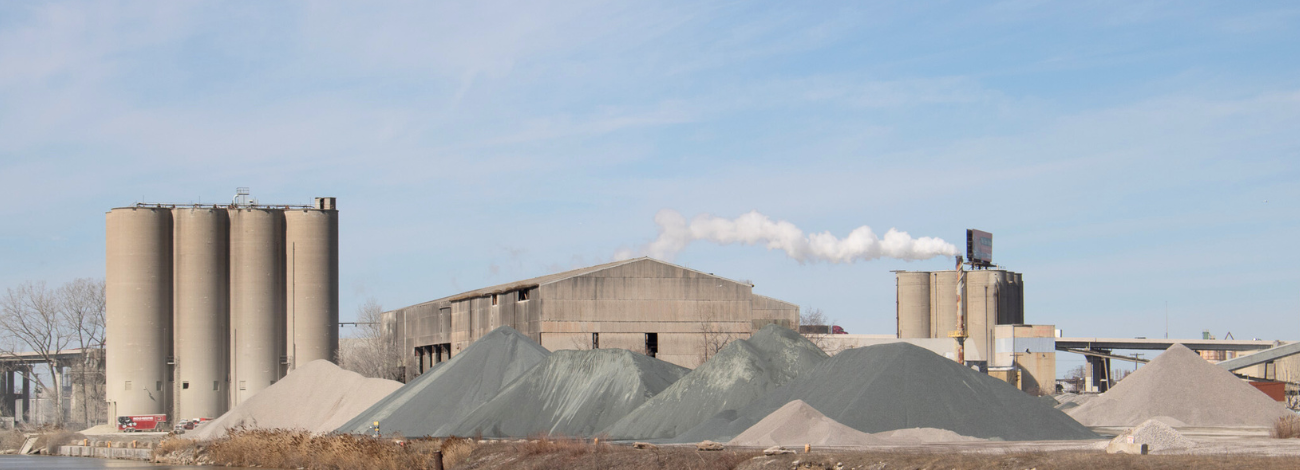
Damage Report
How we see the impacts showing up for Michiganders every day
Detroit is home to over 280 polluting facilities and 68 Superfund sites.
Children in Detroit are 50% more likely to suffer from asthma
In 2023 the American Lung Association ranked Wayne County among the 25 worst counties for air quality in the U.S.
Also in 2023, the Upper Peninsula experienced its first air quality alert for any contaminant.
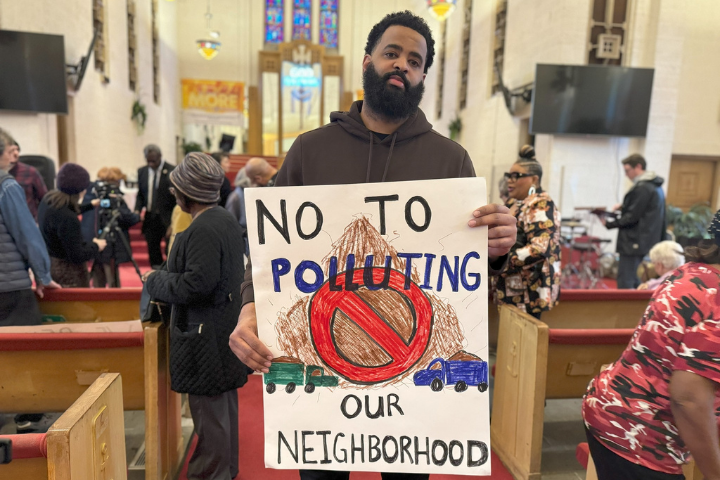
Our Solutions
Currently Michigan’s pollution permitting process doesn’t assess whether the people nearby are already burdened with bad air, toxic land or undrinkable water. However, we can fix this by adopting a comprehensive regulatory framework that explicitly requires a cumulative impacts assessment that addresses compounding pollutants. This includes:
- Require EGLE to take cumulative impacts into account in air quality permitting.
- Delineate overburdened community zones using MI Environmental Justice Screening Tool data and ensure this database is regularly updated.
- Require enhanced upfront community engagement before facilities are proposed in overburdened communities, including the preparation of cumulative health impact assessment by the applicant and accessible public hearings.
- Enable EGLE to establish stricter permit conditions that protect overburdened communities, including the ability to deny permit applications.
Power environmental change today.
Your gift to the Michigan Environmental Council is a powerful investment in the air we breathe, our water and the places we love.
Sign up for environmental news & stories.
"*" indicates required fields