

It’s no secret that our national leaders are enacting a dangerous deregulation agenda designed to drag us back to dirty energy, give a free pass to polluters and cut jobs for the entities who steward the places we love.
And that agenda is coming to Michigan as some state lawmakers look to follow suit. From a state budget rife with painful cuts, to looming legislation aimed to expand data centers, allow plastic-coated sandbags on our Great Lakes shores and open the doors to mine our most natural places, the impacts could hit right here at home.
We’re not going to let that happen.
Our state-level protections can hold the line against federal cuts. We are the connective resource between policymakers, environmental experts and Michiganders. Our team and network of 115 member organizations are working on every conceivable environmental issue. And we fight for the creative solutions that will protect our people and places from this chaos.
Now more than ever, Michigan needs the Michigan Environmental Council. Now more than ever, we need you. Help grow our state’s rising environmental movement. Help elevate our shared call for protections at the State Capitol.
A deregulated, polluted Michigan? Not on our watch
With your support, our team of leading environmental advocates can combat the deregulation agenda threatening our people and communities.
With experts in issues ranging from groundwater pollution, to utility accountability, modern transportation and so much more–and a network of 115 allied environmental organizations–the Michigan Environmental Council is the state’s most credible champion in this fight. Discover our team in action on the latest threats to our critical protections.
The Michigan Environmental Council is our state’s most credible champion for enacting the kind of protections that can stand up to a federal deregulation agenda. We move bold ideas to action through the expansive work of our leading advocacy experts and coalition of 115 allied environmental organizations.
We do this work because we believe in a big future for our state. One with clean air and water; homes and neighborhoods that work in concert with the environment; and globally rare natural resources that are preserved for generations to come.
© 2025 Michigan Environmental Council
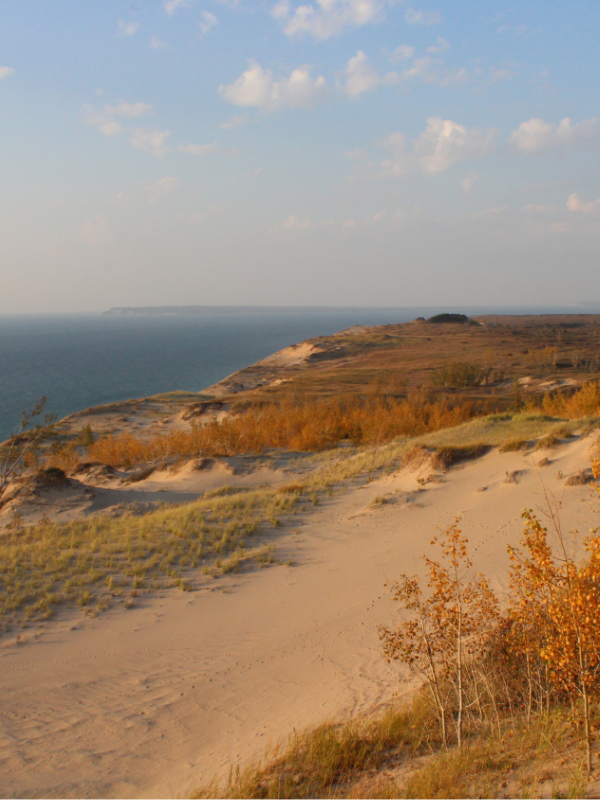
Michigan is home to 300,000 acres of freshwater dunes, the largest collection in the world! They are not found anywhere else in the world—and they support wildlife (like our beloved Piping Plover) that can’t thrive anywhere else in the world.
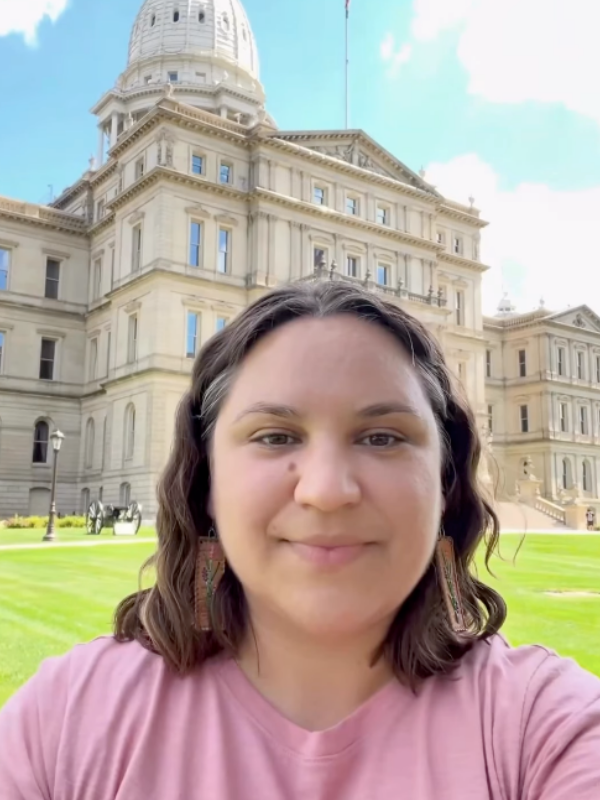
As the Land & Water Conservation Policy Manager here at the Michigan Environmental Council, my job is to ensure they’re here for generations to come.
Recent federal cuts to Great Lakes research and our nationally protected sites like Sleeping Bear National Lakeshore have left our dunes more vulnerable than ever.
Climate change is sparking stronger, more frequent storms and extreme weather patterns that are eroding the dune coast. Microplastics, PFAS and other pollutants from sandbags are running from the dunes and into our lakes. We need strong state-level protections that can weather this storm of national backsliding.
Together—you, me, the Environmental Council, our allies and fellow advocates—can preserve our dunes.
With your support I will continue advocating to ban the use of plastic-wrapped sandbags on Lake Michigan’s coast, protect endangered wildlife like Piping Plovers and bring Michiganders together so we can all enjoy our globally-rare dunes.
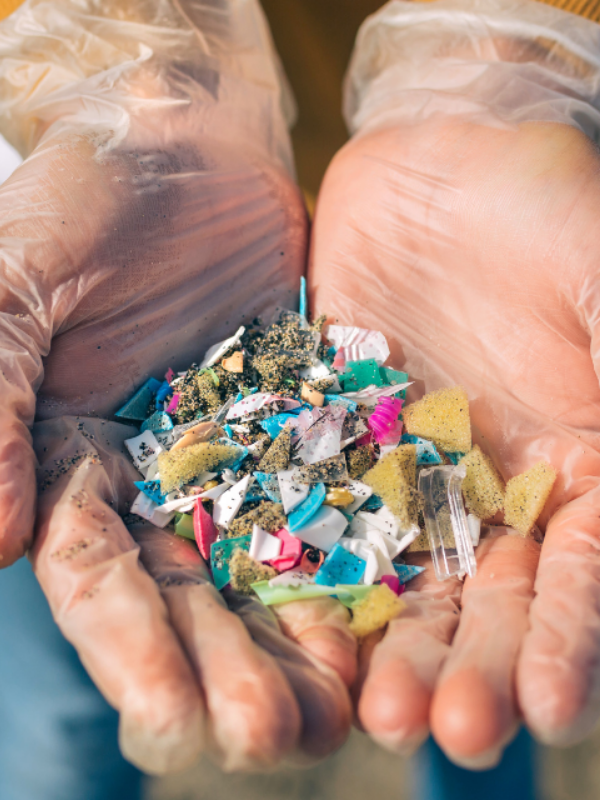
What do the guts of fish, our human bloodstreams and the deep waters of Lake Superior have in common? They’re full of microplastics. While it’s scary enough to imagine how these dangerous materials are making their way to deepest Great Lake, we also have to worry about the threat they pose in our own bodies.
As the Public & Environmental Health Policy Manager for the Michigan Environmental Council, my job is to help keep microplastics out of our beloved lakes, our neighborhoods and our children.
The recent alignment of the federal administration with big petroleum and oil interests open the door to even more abundant microplastics in Michigan.
A 2024 Great Lakes study found that over the course of 14,000 beach cleanups over 20 years, 86% of litter found was plastic—40% of which were microplastics. And the problem isn’t slowing down. It’s estimated that 22 million tons of plastic are entering the Great Lakes every year. And each one caries a mix of pollutants that potentially affect our immune, reproductive and endocrine systems. We need strong state-level protections that invest in the research and remediation strategies to address microplastics.
And together—you, me, the Environmental Council, our allies and fellow advocates—we can do just that.
With your support I will continue to advocate for the reduction of single-use plastics across the state, the removal of plastic-wrapped sandbags on our beaches, and for microplastics research that helps us understand the sources and solutions here in Michigan.
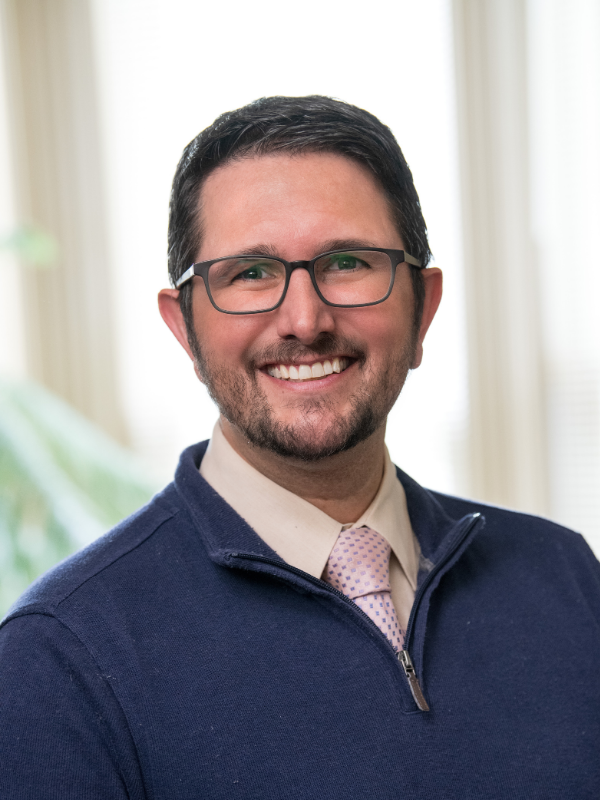

Transportation is what allows us to live our lives. Think about all the things you do on a daily, weekly and monthly basis: riding the bus to work, driving up north for summer vacation, using the sidewalks to drop your kids off at school or even biking for exercise. In many ways, transportation (in its many forms) gives us the freedom to survive, thrive and enjoy our lives.
As the Urban Land Use & Transportation Policy Director here at the Michigan Environmental Council, my job is to ensure that every Michigander can get around their community, to their job and to the many stops along the way with ease.
But the federal administration is focusing all their support on gas-powered transit, and dramatically scaling back investments in projects that would reduce emissions and make our cities more accessible.
In July, Trump’s transportation leaders pulled $4 billion in funding for California’s high-speed rail project, then froze thousands of grants across the country that expanded access to things like bike and walking lanes—all while doubling down on an alignment with big gas and oil.
If we hope to attract and retain Michiganders to work, live and plant roots here, we have make the kind of investments that move and grow with our evolving communities. We need state-level investments that can make Michigan more walkable, bikeable and accessible in the face of federal cuts.
And together—you, me, the Environmental Council, our allies and fellow advocates—can bring about a powerful, well-funded transportation system.

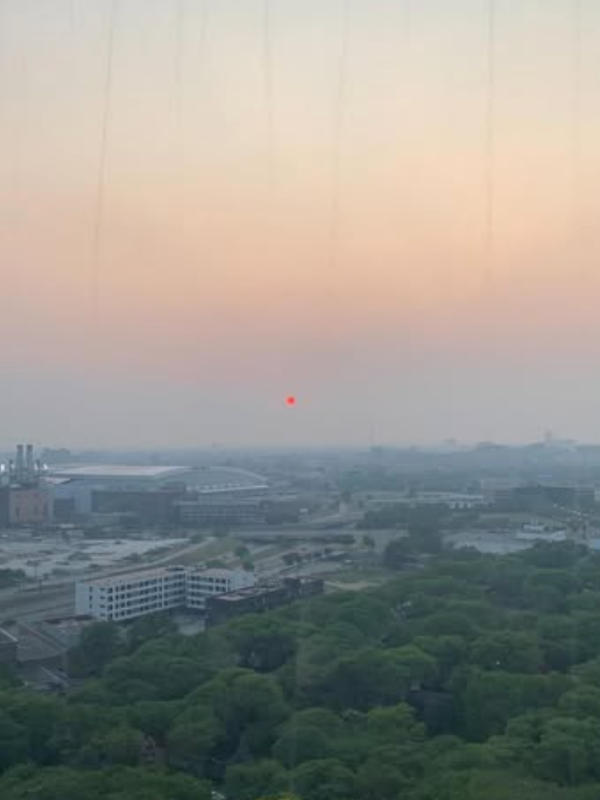
Heavy industry in Michigan has long taken its toll on our environment and residents alike. Detroit alone boasts some of the worst air quality in the nation, with residents in the city’s Southwest neighborhood literally living next to a toxic soup of air, water and ground pollutants.
As the Detroit Program Manager here at the Michigan Environmental Council, my job is to fight for regulations that hold corporate polluters accountable and protect Detroits.
But the federal administration is dismantling air quality protections and giving corporate polluters a free pass.
In July, the Trump administration issued blanket exemptions to polluters across the nation, from chemical plants, to coal plants and everything in between, allowing them to ignore clean air standards. Later than month they announced a plant to undo the government’s endangerment finding, which regulates pollutants from fossil fuels under the Clean Air Act. As these federal protections fall, we need state-level action to safeguard Michiganders from even more pollution.
And together—you, me, the Environmental Council, our allies and fellow advocates—can do just that.
With your support I will continue advocating for a cumulative impacts assessment framework, stand up to new polluters in Detroit and ensure Detroit elected officials are elevating environmental justice in their decision-making.
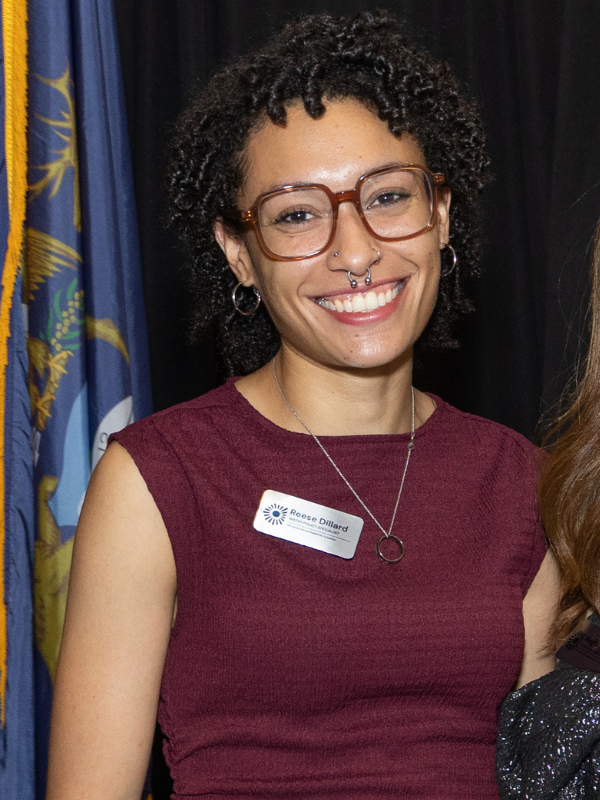
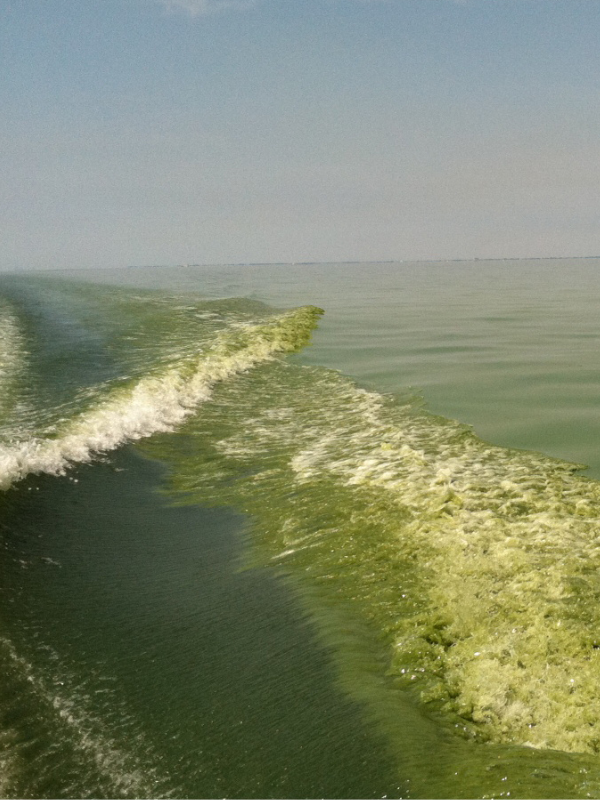
Michigan’s abundant water resources are what make our state great–from our Great Lakes, to our beloved inland lakes, rivers and streams, to our “sixth” Great Lake, groundwater.
As Water Policy Specialist for the Michigan Environmental Council, my job is to ensure we’re keeping pollutants out of the water, and thus out of our communities and bodies.
But the federal administration has made it clear: protecting our water is not a priority.
Earlier this year, Trump eroded the Clean Water Act to narrow which waters should be protected, stripped critical Great Lakes funding and issued massive cuts to environmental departments—a move we’re now seeing mirrored at the state level. On top of that Michigan remains the only state in the nation without a statewide septic code. Algal blooms and beach closure from pollutants like PFAS continue to plague us in the late summer. We need state-level protections that give us the resources to fight this pollution and protect our waters.
And together—you, me, the Environmental Council, our allies and fellow advocates—can do just that.
With your support we will continue advocating for a statewide septic code, fight legislation that limits EGLE’s oversight on potential polluters, and secure the proper funding needing to repair Michigan’s aging water infrastructure.
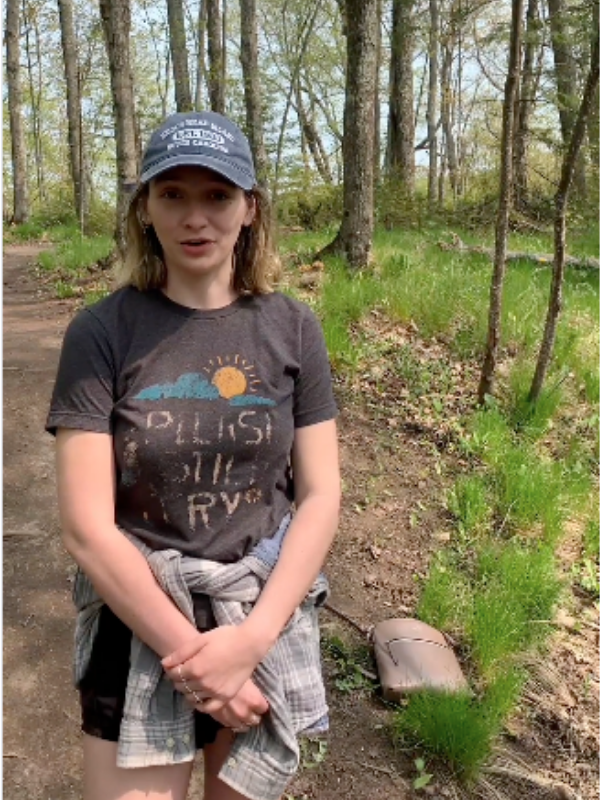
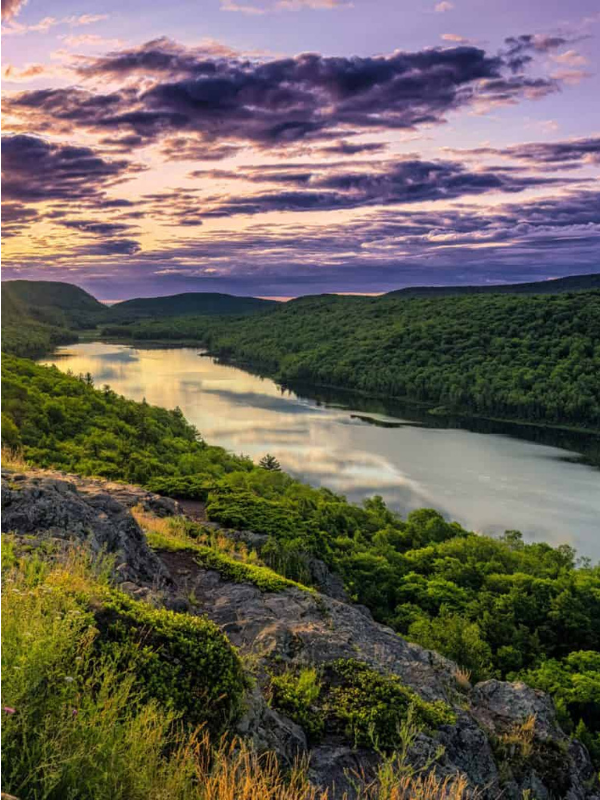
The Upper Peninsula (U.P.) holds some of our state’s most pristine and untouched landscapes. And the Yoopers who call it home (myself included) take great pride in its expansive and wild nature. But we also pay a high price—basic energy needs are expensive, and often unreliable.
As the Movement Building Manager here at the Michigan Environmental Council, my job is to connect with Michiganders and other environmental allies to advocate for better energy options in our rural communities like the U.P.
But recent federal cuts to clean energy programs threaten critical progress being made for Yoopers.
We’ve seen stark decisions from the Trump administration to slash clean energy incentives, defund ongoing and future projects and vilify clean energy investment as a whole. Alternatively, Trump wants to open up dirty energy generation across the state, targeting rural communities as excellent sites for data centers, methane gas plants and other polluting industry development.
Yoopers are subject to some of the highest electricity rates in the nation, while also experiencing high rates of poverty. Investing in clean energy in this region has the potential to transform our lives without sacrificing the nature we love so much.
And together—you, me, the Environmental Council, our allies and fellow advocates—can bring about this change.
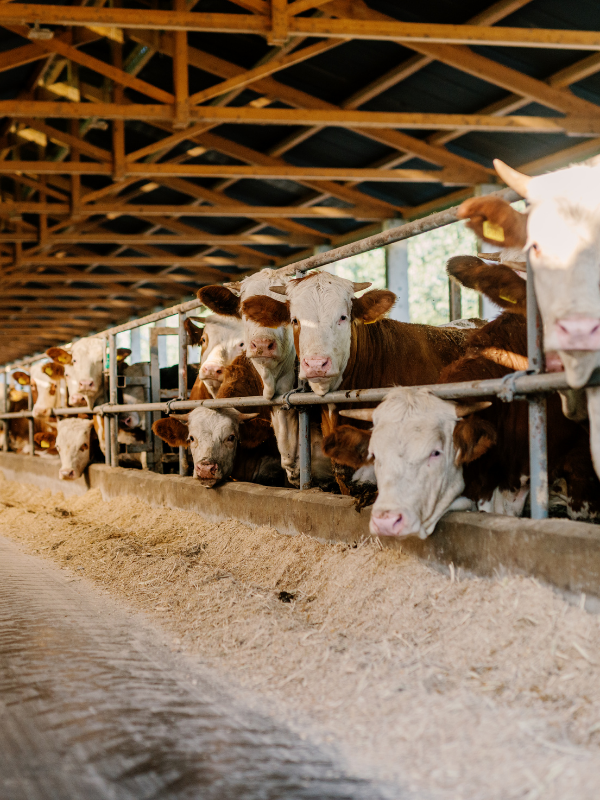
When you first hear “farm,” you probably think about cows grazing on rolling hills—not millions of tons of manure. But concentrated animal feeding operations (CAFOs) are a huge source of pollution in Michigan, and the result is bacteria that causes harmful algal blooms, beach closures and an increase in air pollution.
As Water Policy Director, I’m working every day to strengthen our regulations on CAFOs and other dangerous pollution point sources.
But the federal administration is loosening regulations on CAFOs and defunding research that helps us understand the pollution threats of these sites.
Earlier this year, Trump’s Environmental Protection Agency exempted CAFOs from reporting their air pollution numbers and canceled a grant to fund research on the health impacts of industrialized hog farms. As federal leaders align themselves with big agribusiness interests, we need state-level protections that hold CAFO operators accountable for their pollution.
And together—you, me, the Environmental Council, our allies and fellow advocates—can bring about this change.


With the rise of AI and other heavy energy load technologies, the pressure to generate lots of energy, fast has never been higher. And despite bold statewide clean energy goals, the increasing energy demand is driving a movement to dramatically ramp up production – regardless of the impact on our energy bills or environment.
As Climate & Energy Policy Manager for the Michigan Environmental Council, my job is to ensure Michigan moves towards a cleaner, more affordable energy future.
But the federal administration is calling for the rapid expansion of energy-intensive data centers, while simultaneously cutting investments in clean energy projects that help move our state towards our healthy climate goals.
In July, Trump issued an executive order to ramp up the production of large-scale industrial plants like data centers and the methane gas plants that power them to support big tech’s ever increasing energy demand—despite the known climate and water impacts of these developments. We need state-level regulations that moderate the rapid growth of data centers to ensure the financial and environmental costs of these projects aren’t passed onto Michigan.
And together—you, me, the Environmental Council, our allies and fellow advocates—can do just that.
With your support I will continue working to create strong regulations on data centers and advocate for clean energy projects that move us towards a 100% clean energy future.
Please join us! Help grow our state’s rising environmental movement. Help elevate our shared call for protections at the State Capitol.